
Cosmetic Formula Transfer Manufacturer
Move an existing cosmetic formula with a clear view of rights, records, reproducibility, quality targets, packaging, and commercial scale before production begins.
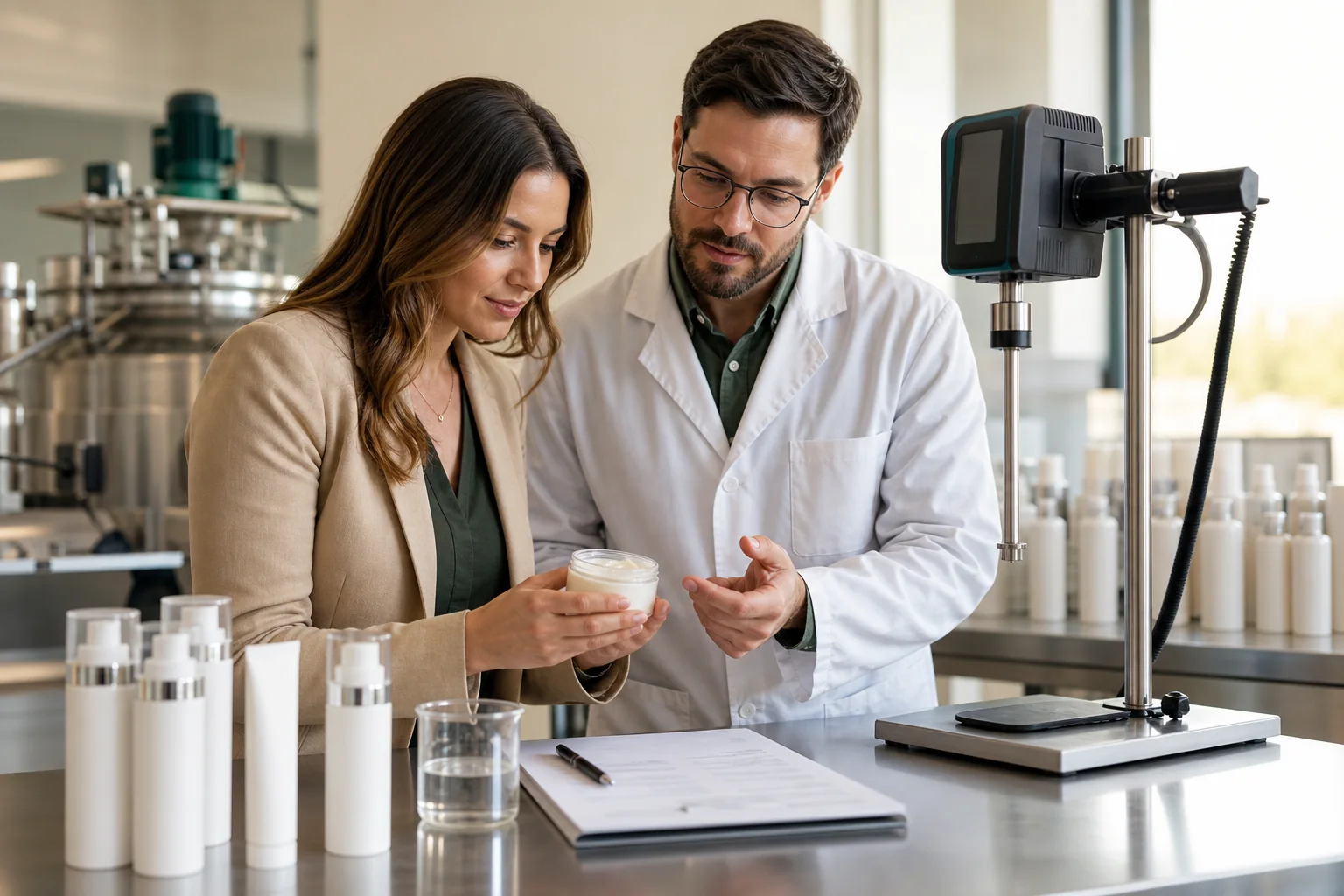
Can an existing cosmetic formula be transferred to a new manufacturer?
Yes, an existing cosmetic formula may be transferable when the brand can document its authority to use the formula and provide enough technical information for a new manufacturer to evaluate it. A useful transfer package typically includes formula percentages, ingredient and raw-material details, manufacturing instructions, specifications, testing history, packaging information, approved samples, batch records, and expected production volume. The new manufacturer must still assess feasibility, sourcing, equipment, process reproducibility, quality targets, package compatibility, and scale. A transfer is not simply handing over an INCI list, and an exact match should not be assumed before review. Shay Labs evaluates cosmetic formula transfers for production-ready brands and identifies when missing records or unresolved product decisions require additional development before commercial manufacturing.
Is Your Cosmetic Formula Ready to Move?
A transferable formula must pass five connected gates. A gap does not automatically end the project, but it changes the scope from straightforward production review to technical development or reconstruction.
Authority
Confirm in writing that your brand has the rights and permissions needed to provide and use the formula. Shay Labs does not determine legal ownership for you.
Documentation
Gather percentages, INCI, raw-material identities, supplier details, specifications, instructions, batch records, and available quality documents.
Reproducibility
Show more than a recipe. Order of addition, temperatures, mixing, hold times, equipment, and process observations can affect the finished cosmetic.
Verification
Define approved appearance, odor, texture, pH or other relevant specifications, retained samples, testing history, and the evidence behind intended claims.
Package and Scale
Align formula flow, fill method, component compatibility, selected packaging, target quantity, demand, and commercial production requirements.
What Happens If the Transfer File Is Incomplete?
No manufacturer should promise a seamless copy before reviewing what actually exists. Shay Labs uses the available record to determine the responsible next path.
Transfer-ready review
Best when authority, full technical documentation, an approved reference, packaging, testing status, components, quantity, and demand are established. Direct manufacturing generally begins at 5,000 units.
Transfer with defined gaps
Possible when the core formula and authority are clear but sourcing, process, packaging, specifications, or scale-up questions must be resolved before a production plan can be confirmed.
Development or reconstruction
Needed when the brand has only an INCI list, partial percentages, a benchmark sample, uncertain rights, or no usable manufacturing method. The result may be a new development project, not a copy.
How Does Cosmetic Technical Transfer Move Toward Production?
Each stage answers a different risk question. The sequence avoids treating production as the first experiment.
Review authority and scope
Identify the product, formula source, authorized documents, intended claims, target quantity, timeline, and reason for changing manufacturers.
Map formula and raw materials
Compare percentages, ingredient grades, suppliers, specifications, availability, substitutions, and known sensitivities.
Translate the process
Evaluate equipment, batch size, order of addition, mixing, temperature, timing, filling behavior, and critical observations.
Evaluate against the reference
Use approved samples and documented quality targets to assess whether the transferred direction is acceptable before commercial production.
Align package and testing
Review components, fill method, compatibility information, labels, testing status, specifications, and any open requirements.
Confirm production readiness
Finalize approved inputs, quantity, components, quality criteria, responsibilities, and scheduling requirements before manufacturing.
When Is a Transfer Different From Custom Formulation?
The distinction affects scope, expectations, and the information needed for an accurate quote.
| Decision | Formula transfer | Custom development or reconstruction |
|---|---|---|
| Starting point | An existing authorized formula, manufacturing record, and approved reference. | A concept, INCI list, benchmark, partial formula, or product that cannot be reproduced from current records. |
| Primary question | Can this documented product be reproduced with available raw materials, equipment, controls, and packaging? | What formula and process should be created to meet the new brief? |
| Comparison target | Documented specifications and an approved retained sample when available. | A new product brief and sample feedback. |
| Likely output | A manufacturing feasibility decision and defined path toward production. | A newly developed direction that may differ from the former product. |
What Should Be in a Formula Transfer Dossier?
Send what you have and identify what is missing. Do not substitute assumptions for records.
Authority and agreements
Written confirmation of your rights or permission to transfer, plus any restrictions that the new manufacturer should know.
Formula record
Percentages, INCI, trade names, ingredient grades, supplier or manufacturer details, specifications, and revision history.
Manufacturing method
Order of addition, temperatures, mixing, times, equipment, batch sizes, hold steps, and processing observations.
Quality reference
Approved retained samples, finished-product specifications, certificates or records, deviations, complaints, and available testing history.
Packaging system
Primary package, closure, dispenser, fill size, component drawings, compatibility information, labels, and sourcing status.
Commercial plan
Current and target volume, forecast, launch or inventory deadline, sales channel, component inventory, and reason for the transfer.
Why Bring a Formula Transfer to Shay Labs?
Shay Labs connects formula review with raw-material, process, filling, packaging, quality, and production decisions. The Woodstock, Illinois facility develops custom formulations and manufactures cosmetics and oral rinses. It does not sell an off-the-shelf stock catalog, manufacture supplements, or manufacture toothpaste.
What Do Brands Ask Before Switching Cosmetic Manufacturers?
Can Shay Labs manufacture a cosmetic formula created by another lab?
Shay Labs can evaluate an existing cosmetic formula when the brand is authorized to provide it and supplies enough technical, packaging, testing, and commercial information for feasibility review. Acceptance is not automatic.
Is an INCI ingredient list enough to transfer a formula?
No. An INCI list does not show percentages, ingredient grades, suppliers, order of addition, temperatures, mixing, processing steps, or finished-product specifications. Those details can affect reproducibility.
Who owns a cosmetic formula when a brand changes manufacturers?
Ownership and transfer rights depend on the agreements and facts for that formula. Review the applicable documents with qualified counsel when needed. Shay Labs does not make the legal determination for the brand.
Will the transferred product be exactly identical?
An exact match should not be promised before technical review. Raw-material sources, equipment, batch size, process, packaging, and normal manufacturing variation can affect the finished product. Approved references and specifications help define acceptance.
What if my previous manufacturer will not provide the manufacturing instructions?
Share the formula records, rights documentation, samples, specifications, testing, and history you do have. Shay Labs can determine whether review is possible or whether the project should be treated as new development or reconstruction.
Does testing need to be repeated after a formula transfer?
Testing requirements depend on the formula, raw materials, process, package, claims, existing records, and intended use. Required work is determined after the specific transfer file is reviewed.
Can I change the packaging while transferring the formula?
A packaging change can alter dispensing, filling, compatibility, customer use, and testing needs. Submit both the current and proposed packaging information so the change can be evaluated with the formula.
What is the MOQ for a production-ready formula transfer?
Direct manufacturing for production-ready brands generally begins at 5,000 units. Qualifying founder, Pilot, or Accelerator projects may begin at 500 units depending on formula, product, packaging, components, testing, and production requirements.
Ready for a Formula Transfer Review?
Share the product, transfer authority, formula documentation, approved reference, manufacturing history, testing status, package, quantity, and timing. Shay Labs will review the file and identify the practical next step.