
Beauty Brand Accelerator Resource Center
Founder guides for planning your first beauty product before manufacturing.
Use this library to plan product, formula, packaging, MOQ, pricing, manufacturer fit, and launch channel decisions before you commit to samples or production.
Each guide answers a specific founder question and links into the broader manufacturer-readiness path.
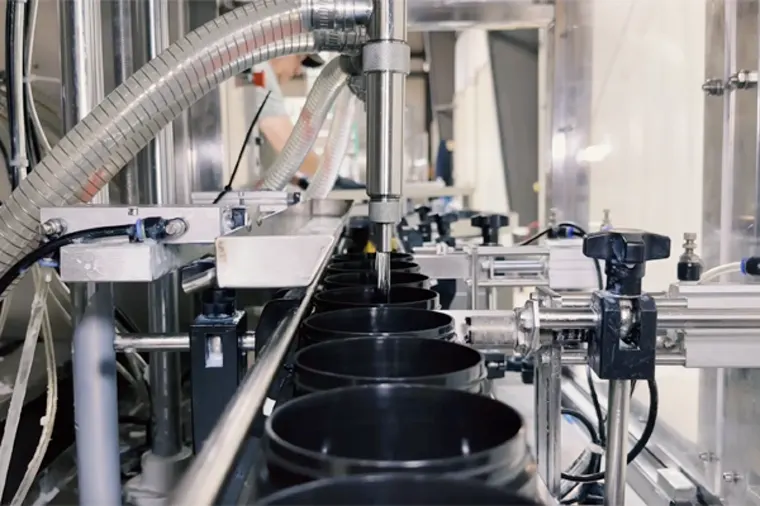
A practical resource library for early beauty and personal-care founders preparing for manufacturing.
All founder guides
Beauty brand manufacturing planning topics
How Much Does It Cost to Start a Skincare Line?
A skincare line cost depends on formula path, packaging, order size, testing needs, and sales channel.
Read guide →Private Label vs Custom Formulation: Which Is Right for Your Beauty Brand?
Private label can be the right path when speed and lower complexity matter.
Read guide →How to Choose the Right-Sized Manufacturer for Your Beauty Brand
The right manufacturer is the one built for your current stage.
Read guide →What to Prepare Before Talking to a Cosmetic Manufacturer
Before contacting a cosmetic manufacturer, prepare your product concept, target customer, product format, formula direction, packaging preference, first-order range, sales channel, launch timeline, and budget range.
Read guide →How to Launch a Beauty Brand Without Manufacturing the Wrong Product First
To avoid manufacturing the wrong beauty product first, validate the product role, target customer, positioning, formula path, packaging, price point, order size, and launch channel before production.
Read guide →How to Find a Cosmetic Manufacturer for a New Beauty Brand
To find a cosmetic manufacturer, start by defining your product type, formula needs, packaging direction, expected order size, and launch timeline.
Read guide →Questions to Ask a Cosmetic Manufacturer Before You Commit
Before committing to a cosmetic manufacturer, ask about product capabilities, formulation support, sample process, packaging compatibility, minimums, lead times, pricing assumptions, quality controls, communication, and reorder planning.
Read guide →What Is the Custom Skincare Formulation Process?
The custom skincare formulation process usually moves from product brief to formula direction, lab samples, feedback rounds, stability and compatibility considerations, packaging decisions, production planning, and first run.
Read guide →Private Label Skincare Manufacturer for Startups: What to Know First
A private label skincare manufacturer can help a startup move faster by using an existing formula base, but the founder still needs product positioning, packaging direction, sales channel logic, and a first-order plan.
Read guide →Cosmetic Packaging Decisions to Make Before Manufacturing
Cosmetic packaging should be planned before production because the bottle, jar, tube, pump, closure, label, carton, and decoration choices affect compatibility, fill method, MOQ, cost, lead time, and customer perception.
Read guide →How Long Does It Take to Develop a Skincare Product?
A skincare product timeline depends on whether the founder uses private label, modifies a base, or creates a custom formula.
Read guide →How Many Products Should You Launch With as a New Beauty Brand?
Most new beauty brands should launch with a focused hero product or small SKU set rather than a large line.
Read guide →What Happens During Cosmetic Sample Development?
Cosmetic sample development is the stage where the product idea becomes something a founder can evaluate.
Read guide →Beauty Brand Launch Budget Mistakes That Drain Cash
Common beauty launch budget mistakes include overbuilding the first line, choosing packaging too late, underestimating MOQ, comparing vague quotes, spending before the product role is clear, and ignoring the sales channel.
Read guide →How to Choose the First Hero Product for Your Beauty Brand
A strong first hero product is easy to explain, tied to a clear customer problem, aligned with the brand promise, realistic to manufacture, and suited to the launch channel.
Read guide →Cosmetic Label and Packaging Basics Before Production
Before production, founders should understand the basics of cosmetic labels and packaging: product identity, net contents, ingredient listing needs, responsible party information, directions, warnings where appropriate, label space, component compatibility, and packaging decoration.
Read guide →Contract Manufacturer vs Private Label Manufacturer: What Is the Difference?
A private label manufacturer typically offers existing formulas or product bases that can be branded.
Read guide →Low MOQ Cosmetic Manufacturing: When It Helps and When It Hurts
Low MOQ cosmetic manufacturing can help founders reduce upfront risk, test a product, and avoid overbuying inventory.
Read guide →How to Price Your First Skincare Product Before Manufacturing
Pricing a skincare product before manufacturing means estimating the target retail price, product cost, packaging cost, margin needs, sales channel fees, shipping, and marketing plan before locking the formula and MOQ.
Read guide →Beauty Brand Manufacturing Checklist Before Your First Run
Before a first manufacturing run, a beauty brand should confirm the product brief, formula path, sample approval, packaging components, label direction, order quantity, pricing assumptions, launch channel, timeline, and reorder plan.
Read guide →From Product Idea to First Production Run: Beauty Brand Roadmap
The path from product idea to first production run includes clarifying the customer, choosing the hero product, deciding formula path, developing samples, selecting packaging, planning MOQ, reviewing cost, preparing labels, and scheduling production.
Read guide →How to Work With a Cosmetic Formulator as a Founder
To work well with a cosmetic formulator, give clear direction on product format, customer, texture, scent, ingredient preferences, positioning, packaging, and target price.
Read guide →When to Scale From Small Batch to Larger Cosmetic Production
A beauty brand should scale from small batch to larger production when sell-through, reorder timing, customer feedback, margin, packaging supply, and quality expectations support the move.
Read guide →DTC vs Retail Beauty Launch Planning Before Manufacturing
DTC and retail launches require different product and manufacturing decisions.
Read guide →Next step
Ready to turn the plan into a real product path?
The Shay Labs Accelerator helps early founders turn product ideas into manufacturer-ready launch plans.
Apply to the Accelerator
Founding members receive coaching, product and packaging direction, formulation setup support, launch planning, and formulation services.